Expert tips, guides, and advice to help Long Island homeowners protect their property and recover from damage.
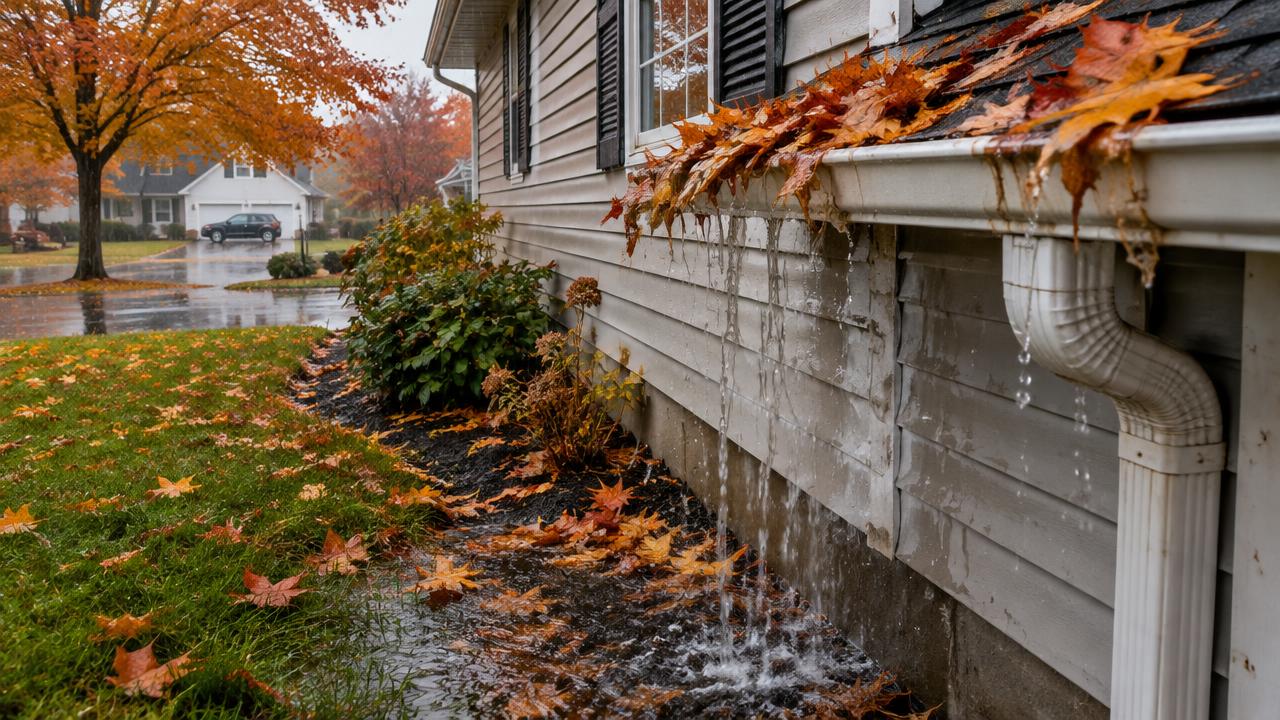
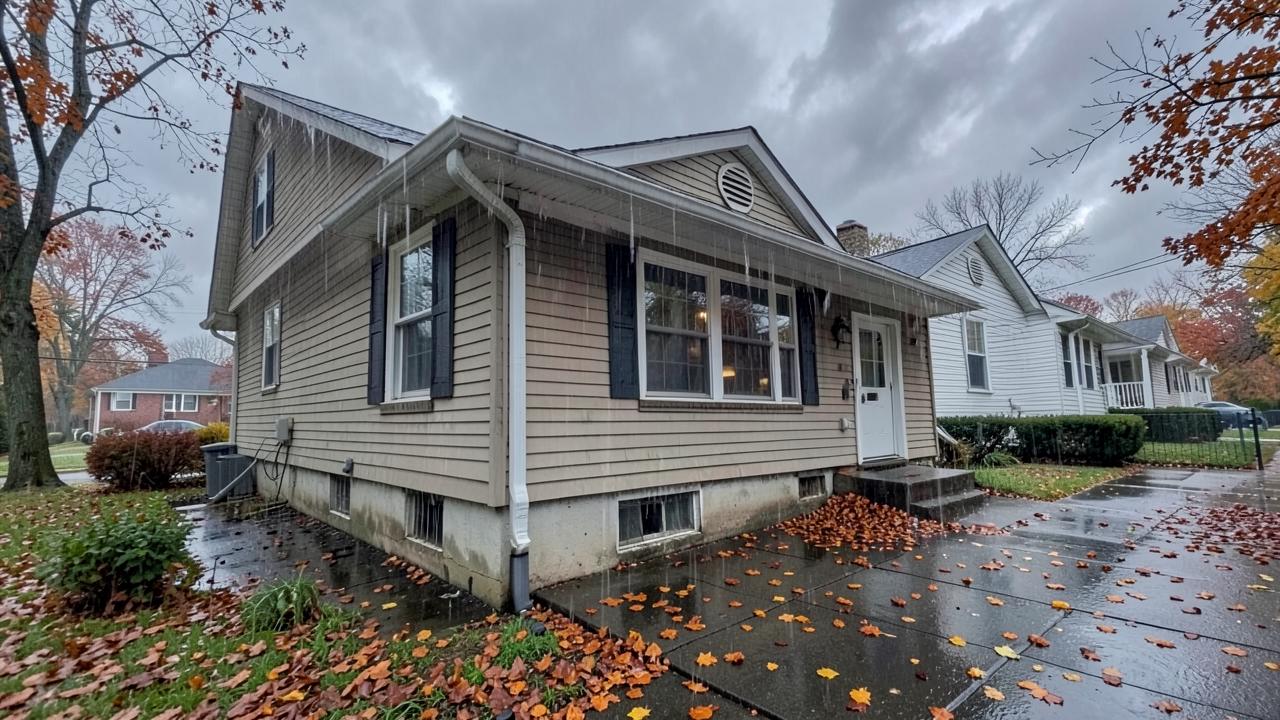
Every October, falling leaves turn gutters into dams. Here's how overflowing gutters lead to wet basements — and the simple steps that stop it.
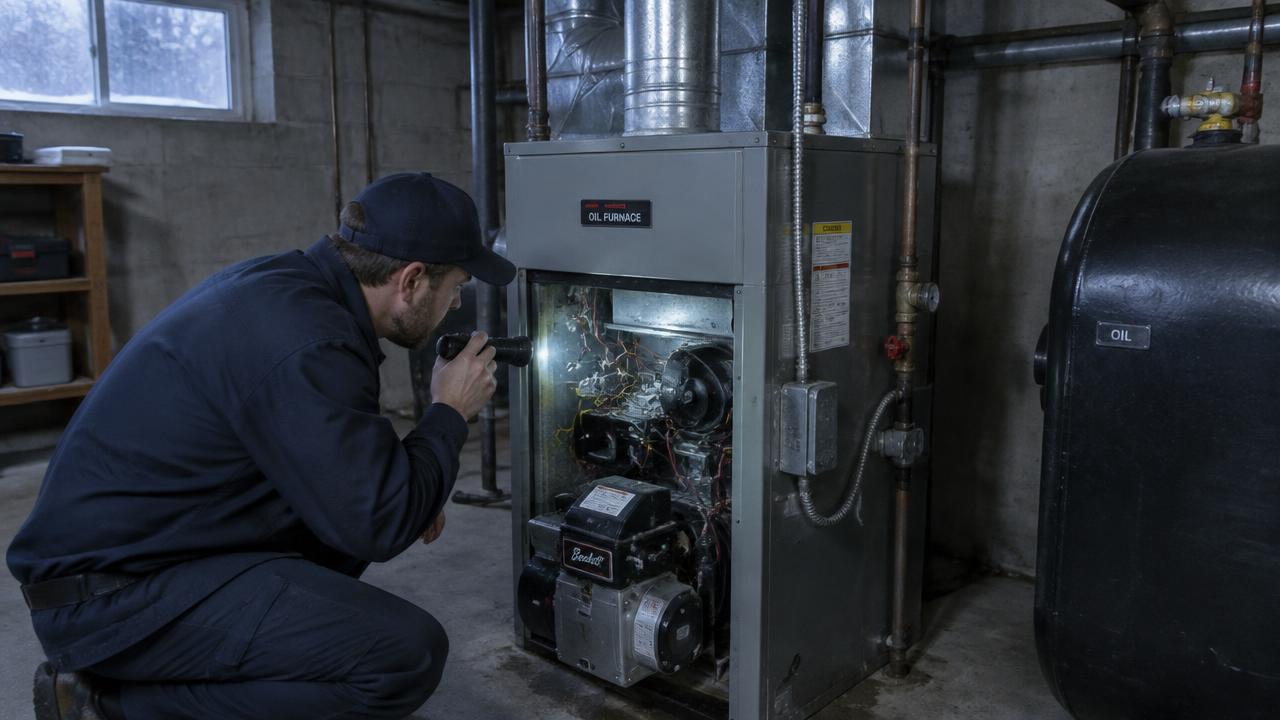
The first cold night of the season is when most puff backs happen. A quick fall tune-up can save you from soot on every wall in your house.
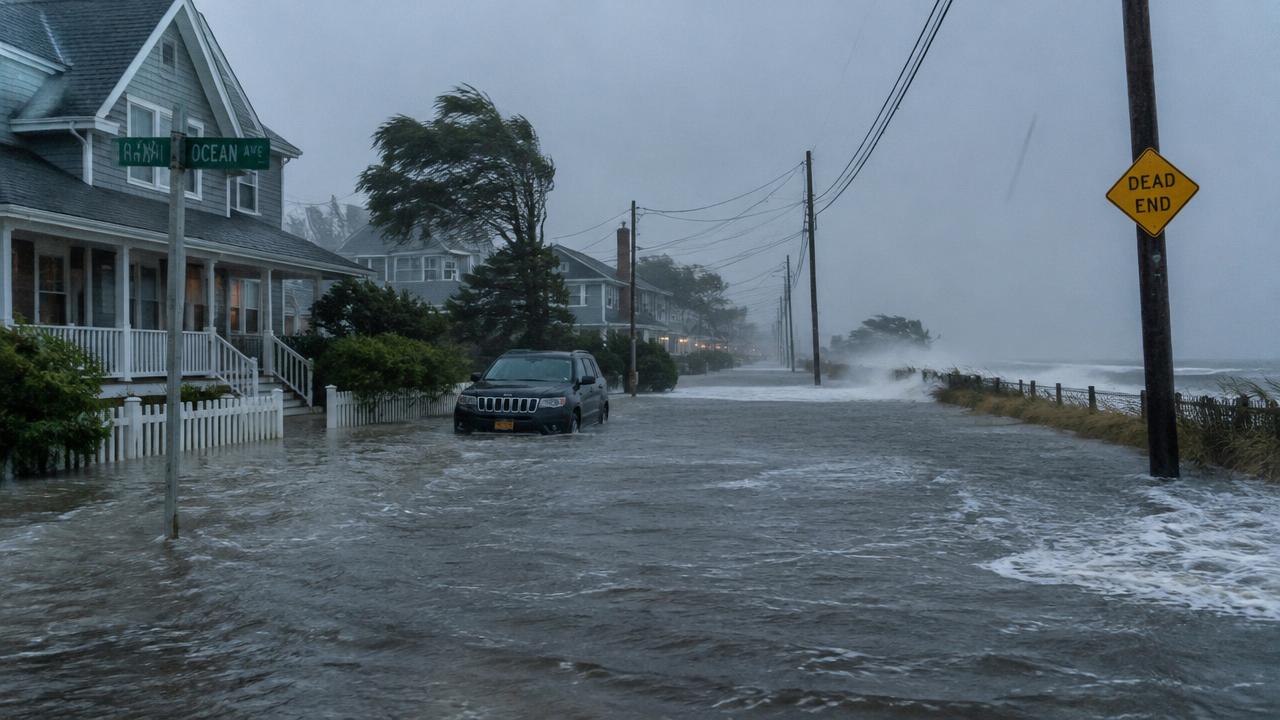
Nor'easters can be more damaging than hurricanes on Long Island. Here's how to get your home ready from October through March.
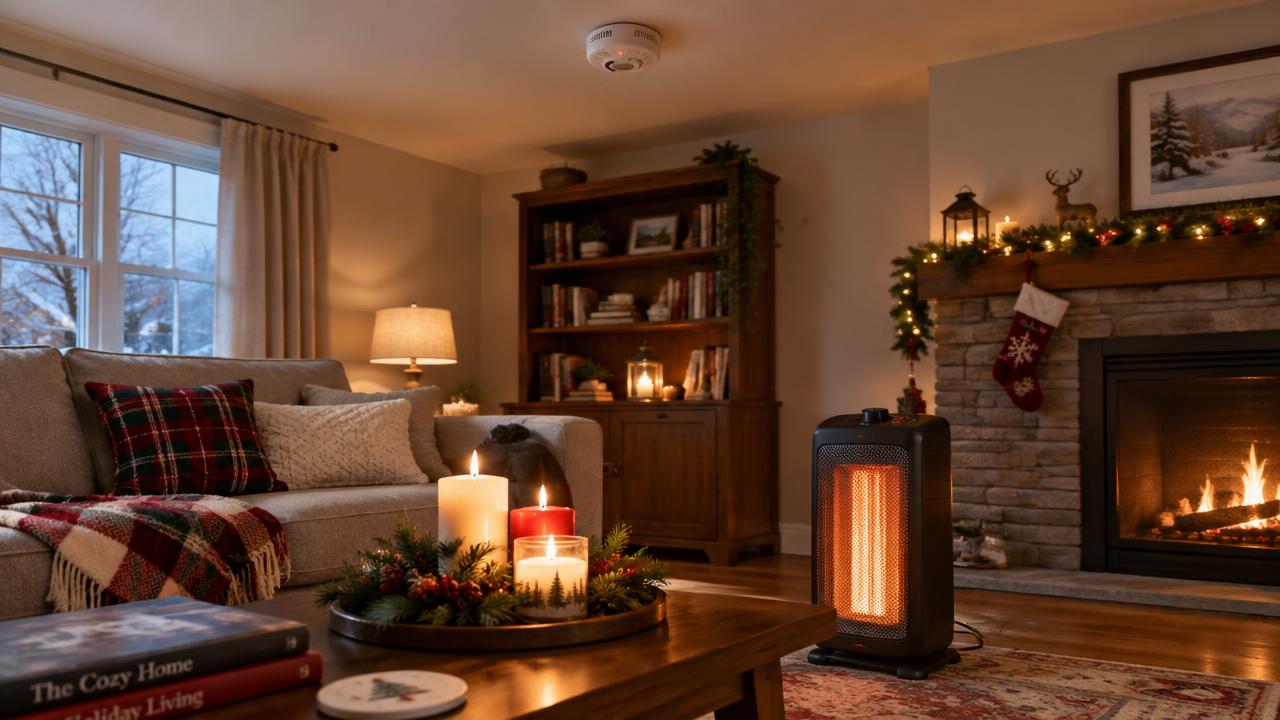
Heating equipment is a leading cause of winter home fires. These simple habits keep your family and home safe all season.
When water is pouring in, it's tempting to hire the first company you find. These seven questions help you pick the right one fast.
September brings the heaviest tropical moisture of the year to Long Island. Here's the practical checklist that keeps storm water out of your basement — and what to do the moment it gets in.
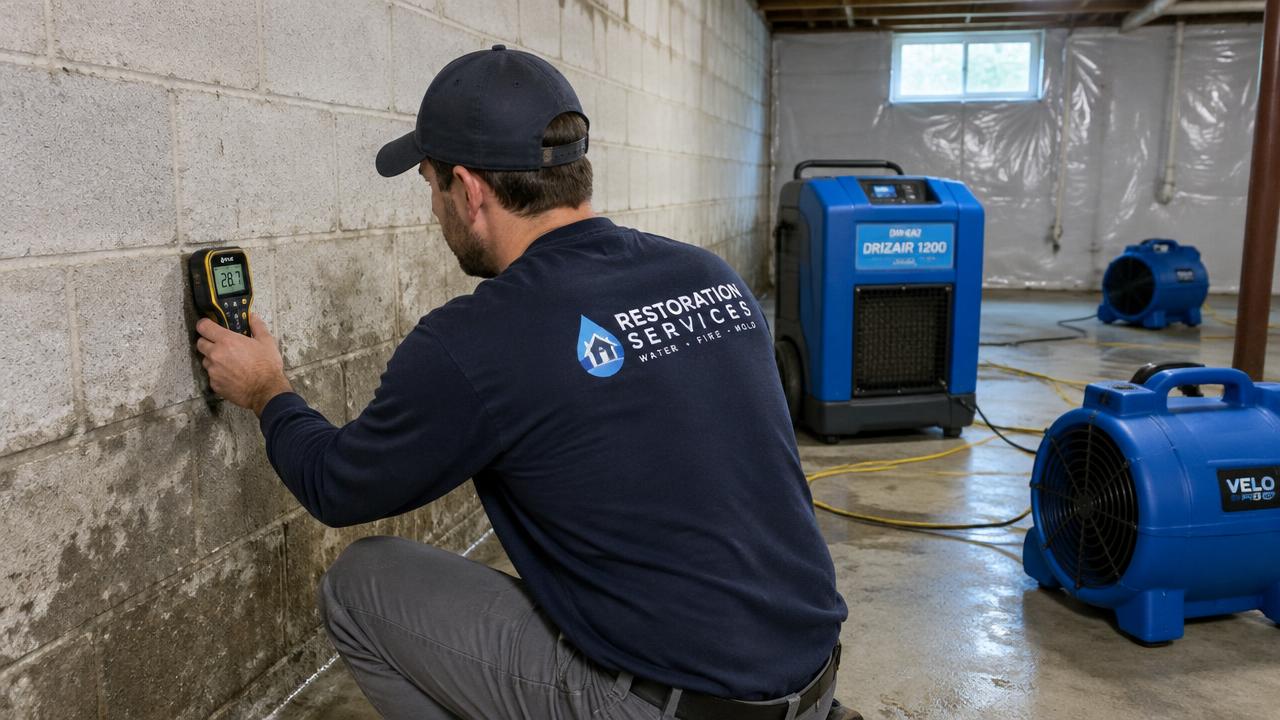
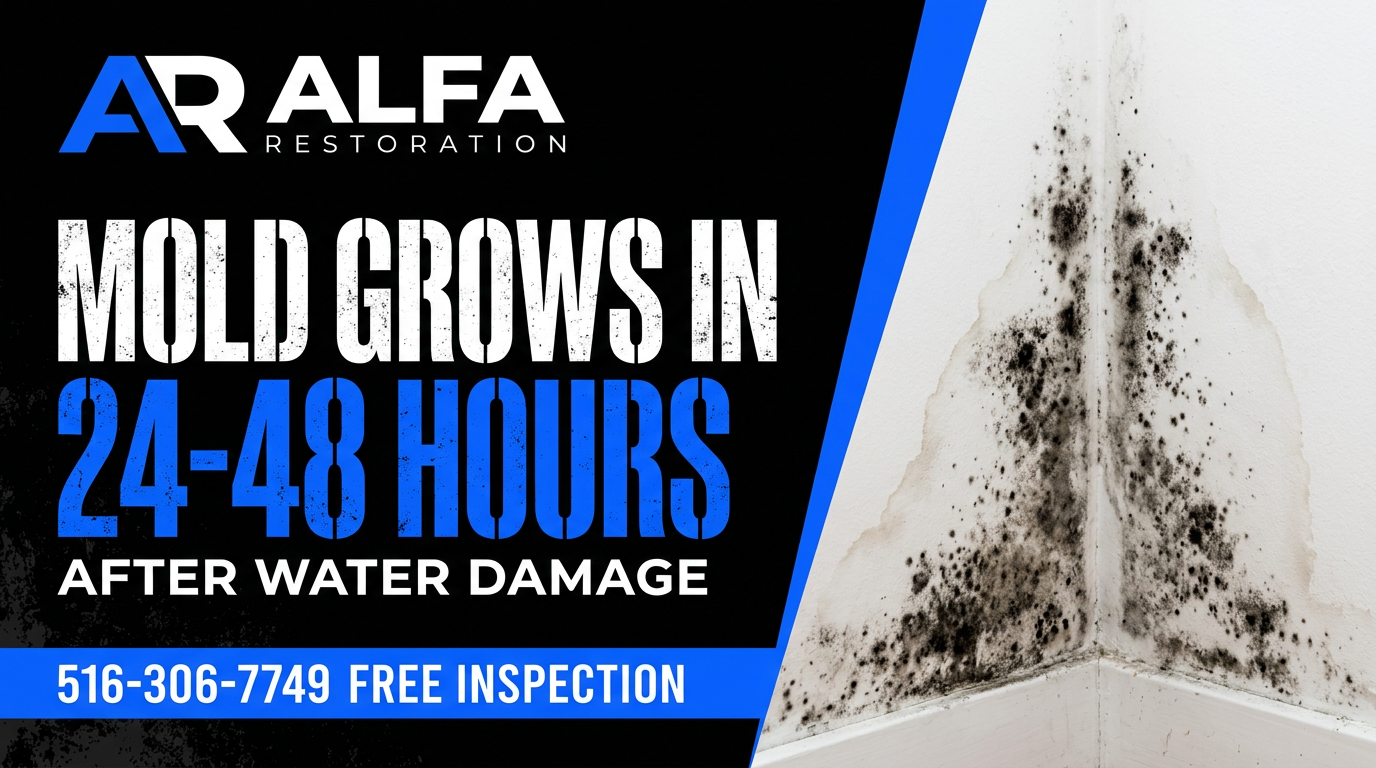
Mold can begin growing within 24 to 48 hours of water damage. In Long Island's humid coastal climate, the timeline is often shorter. Here's what happens hour by hour — and exactly what to do.
Burst pipe at 2 AM? Almost certainly covered. Slow basement seepage over six months? Almost certainly not. Here's exactly what NY homeowners insurance covers — and what gets denied.
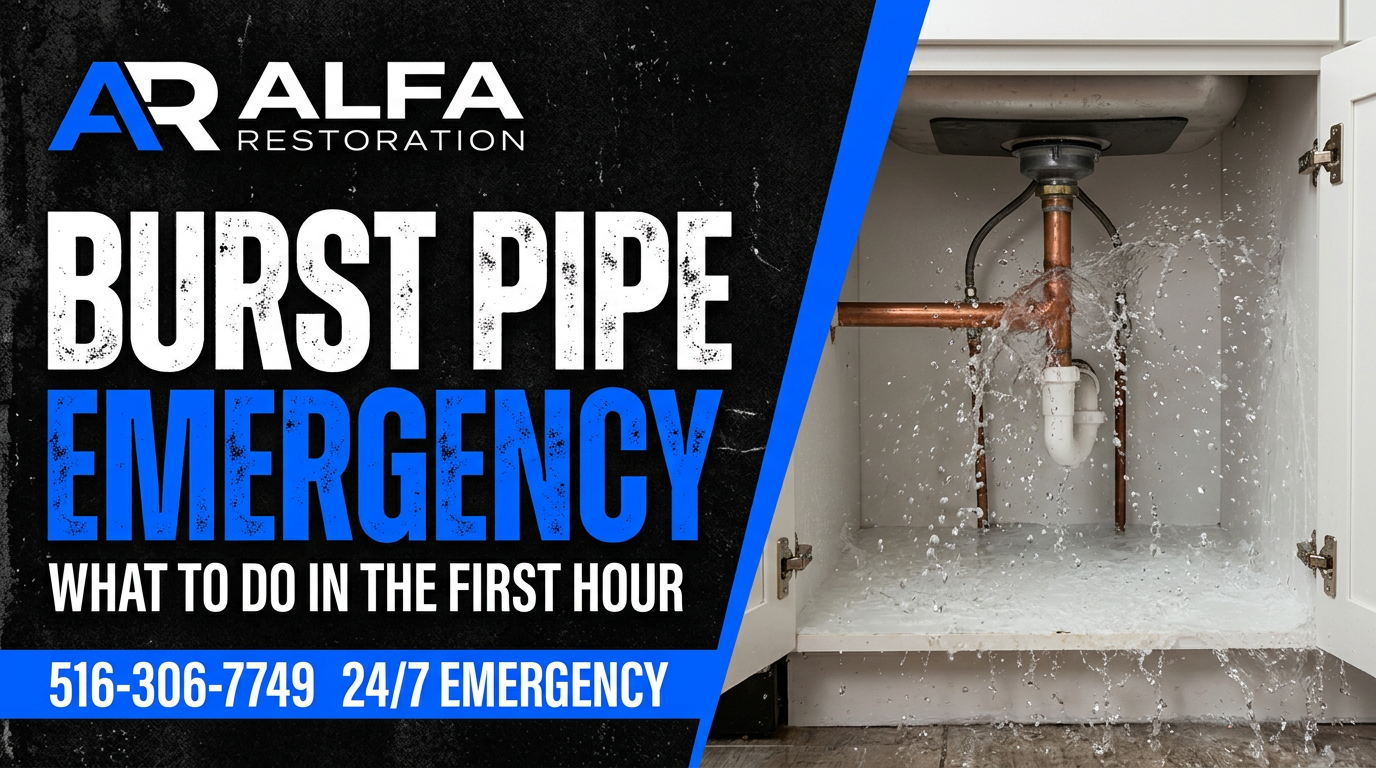
A burst pipe at 2 AM releases 30–100 gallons per minute. The decisions you make in the first 60 minutes determine whether it's a $3,000 repair or a $20,000 disaster. Here's the exact step-by-step.
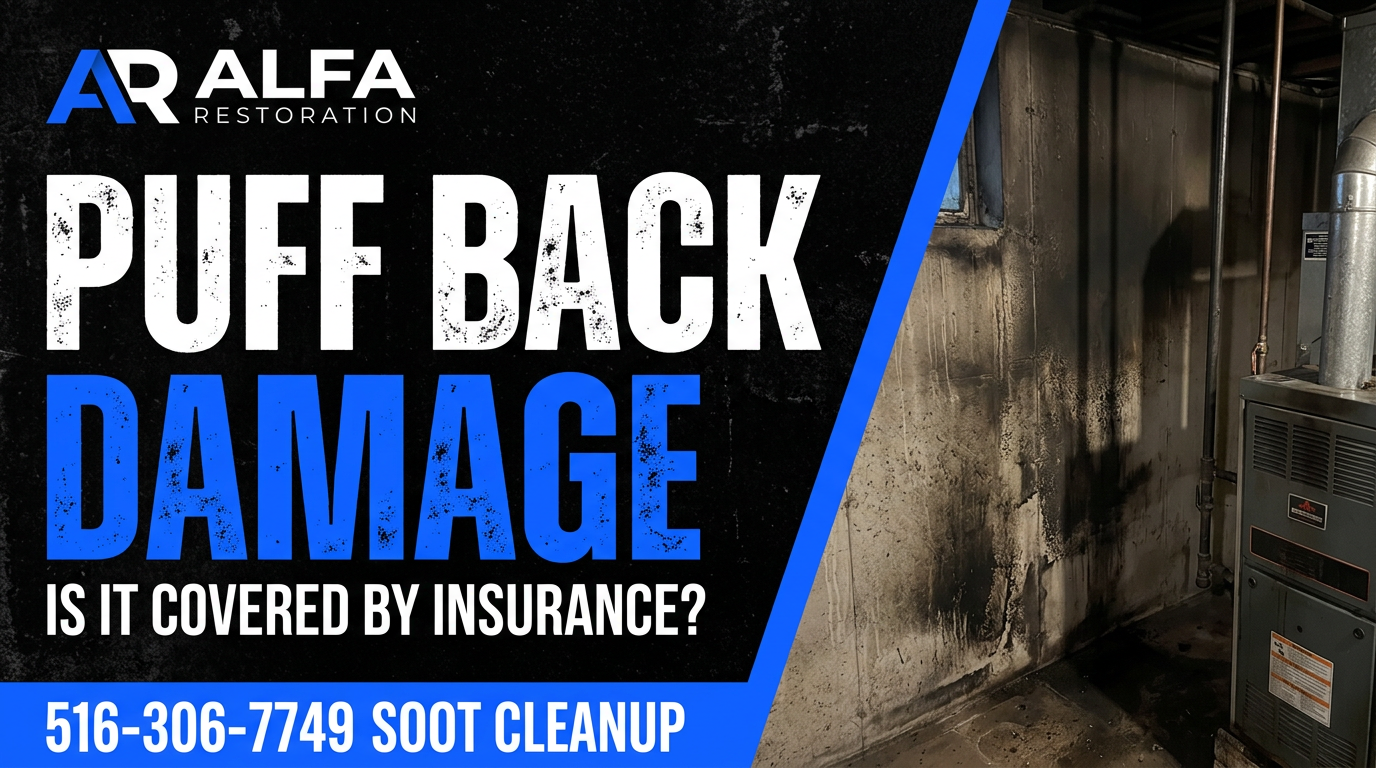
Standard NY homeowners insurance treats puff backs as sudden, accidental mechanical events — and most policies pay out fully, often $10,000–$30,000+. Here's how to make sure your claim doesn't get underpaid.
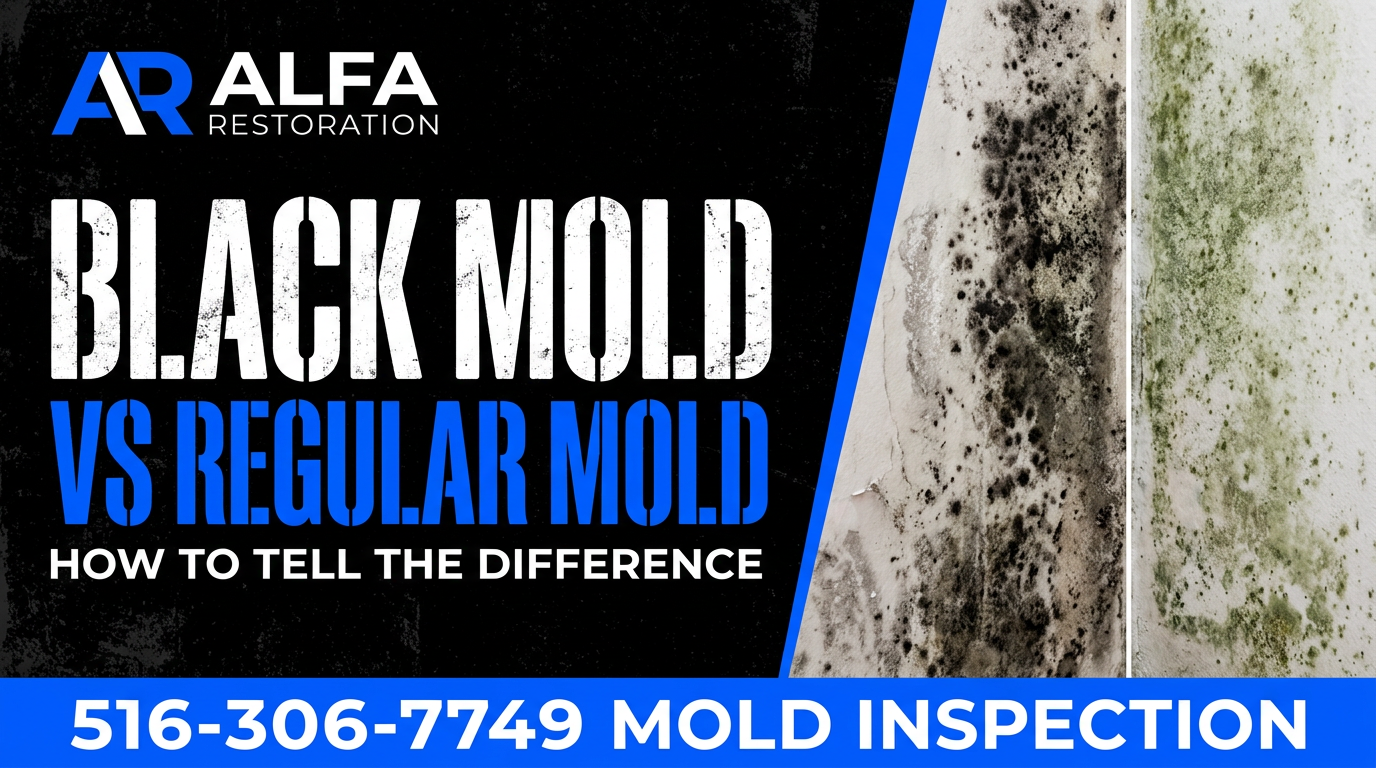
"Black mold" isn't just one thing. Stachybotrys is the toxic species — but plenty of dark molds aren't, and several non-black molds are actually more dangerous. Here's how to tell.
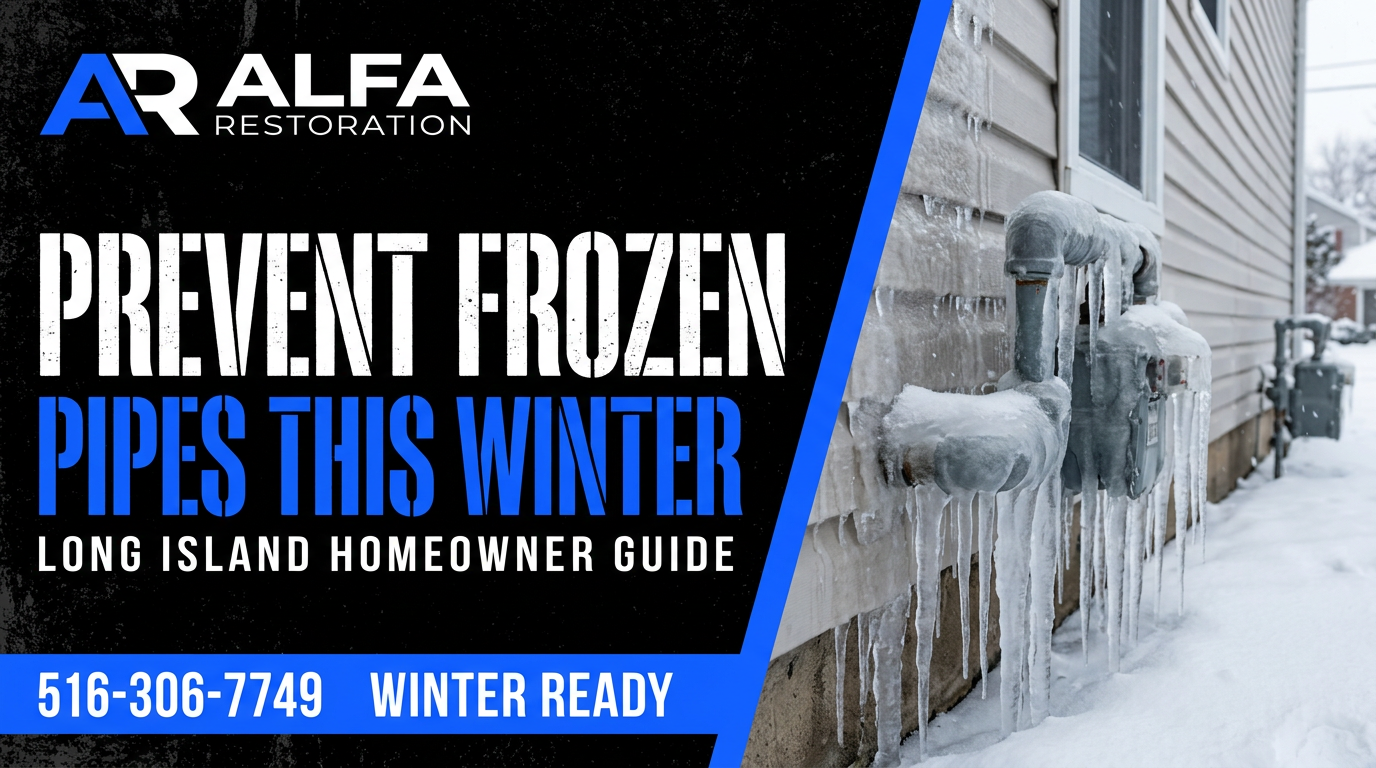
Every winter, thousands of Nassau and Suffolk County homeowners wake up to burst pipes and water damage bills averaging $5,000–$15,000. Almost every burst pipe is preventable.
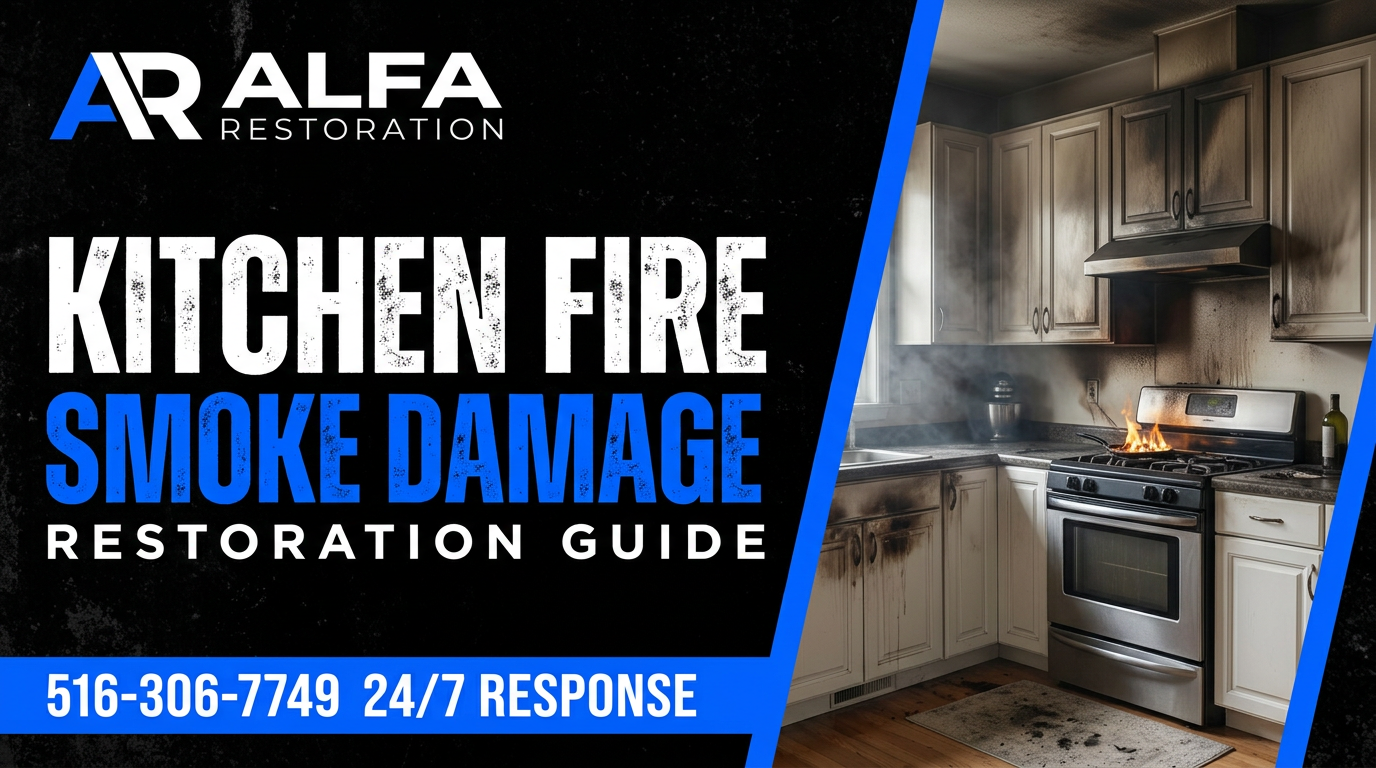
Painting over smoke damage is one of the most expensive mistakes Long Island homeowners make after a kitchen fire. Here's why it fails — and what actually works.
Hurricane season runs June 1 through November 30. Whether you're in Long Beach, Massapequa, Bay Shore, Patchogue, or Montauk, here's the complete prep, insurance, and recovery checklist.
Most companies dodge the pricing question with vague 'it depends' answers. We won't. Here are real ranges, real scenarios, and the five variables that actually determine what you pay.
The most expensive restoration jobs almost never start as emergencies. They start as a slow drip, a faint musty smell, a small ceiling stain — ignored for months until the bill is five figures.
A burst pipe from freezing can dump hundreds of gallons into your home in minutes. Here's how to prevent freezes, safely thaw a frozen pipe, and respond if one bursts — written for the homeowner who hopes to never need it.
A sewage backup is one of the worst things that can happen inside your home. The water contains pathogens, bacteria and toxic gases — and treating it like normal water cleanup can put your family in the hospital.
If you're reading this with water on the floor, take a breath. The next 24 hours decide whether you face a cleanup project or a months-long restoration nightmare. Here's exactly what to do — in order.
In the eyes of your insurance company, 'water damage' and 'flood damage' are two completely different things — covered by two completely different policies. Confusing them can cost you tens of thousands.
After a major storm, two things show up at your door: water damage, and out-of-state 'restoration companies' looking to take advantage of you. Here's how to find a legitimate local company — and spot the scams.
A house fire is one of the most traumatic events a family can experience. Knowing the right steps to take in the aftermath can make the difference between a smooth recovery and a prolonged nightmare.
Water damage isn't always obvious. A slow leak behind a wall or under a floor can cause thousands of dollars in damage before you even notice. Here are the warning signs every homeowner should know.
Long Island's humid climate makes homes particularly susceptible to mold. Learn proven strategies to keep your home mold-free and what to do if you find it.
Filing a water damage insurance claim can be confusing. This step-by-step guide walks you through the process to ensure you get the coverage you deserve.
Smoke damage extends far beyond what you can see. Even a small fire can leave toxic residue throughout your entire home. Here's what every homeowner needs to understand.
Basement flooding is one of the most common — and costly — issues facing Long Island homeowners. Learn how to protect your home before the next storm hits.
After a disaster, choosing the right restoration company is critical. Here's how to avoid scams and select a trustworthy team that will restore your home properly.
Long Island faces hurricanes, nor'easters, and severe thunderstorms. Here's how to prepare your home and what to do when storm damage occurs.
Not all water damage is the same. Understanding the three categories of water damage helps you know the risks and the right response for each situation.
Some damage you can handle yourself. But knowing when to call a professional can save you thousands and protect your health. Here's how to decide.
A major storm leaves behind a narrow window during which the right actions protect your home, your claim, and your family. Here's what most homeowners don't know.
Insurance adjusters file thousands of claims. You file maybe two in a lifetime. That asymmetry is why so many water damage claims come back smaller than they should — or denied.
The visible stain is rarely the actual source, the damage usually extends further than the discoloration suggests, and the urgency is higher than homeowners assume.
Most homeowners assume water-soaked hardwood is ruined. Far more often than people realize, it can be saved if the response is fast and the technique is right.
Renting a dehumidifier sounds simple. For most water damage situations the math doesn't actually work — and an incomplete dry-out is more expensive than getting it right.
Most homeowners visit their attic once or twice a year. That's exactly why attic damage is so common and so expensive — by the time you notice, it's been growing for months.
A homeowner deals with disruption. A business owner deals with disruption plus lost revenue, plus lost productivity, plus the possibility of permanent customer loss.
The fire is the visible destruction. The smoke, soot, and water used to extinguish it create a second wave of damage that's often more pervasive than the fire itself.
Most water damage causes are addressable. A few hours of attention now prevents tens of thousands in damage later. Here's the checklist we wish every homeowner used.
Every January and February we get the same call: 'There's water dripping down my living room wall and the roof isn't leaking.' Nine times out of ten, it's an ice dam. Here's what Long Island homeowners need to know.
Water dripping from a ceiling is one of the most stressful things a homeowner can see. The next 15 minutes matter more than the next 15 hours. Here's exactly what to do.
Standard homeowners insurance does not cover flood damage. Between FEMA zone changes, NFIP rate hikes, and new private carriers entering Long Island, the flood insurance landscape has shifted dramatically. Here's what actually matters.
Air quality testing after restoration is one of the most misunderstood topics in the industry. Sometimes it's essential. Sometimes it's a waste of money. Here's how to tell the difference.