Storm Damage Restoration — What's Covered, What Isn't, and Why Hours Matter
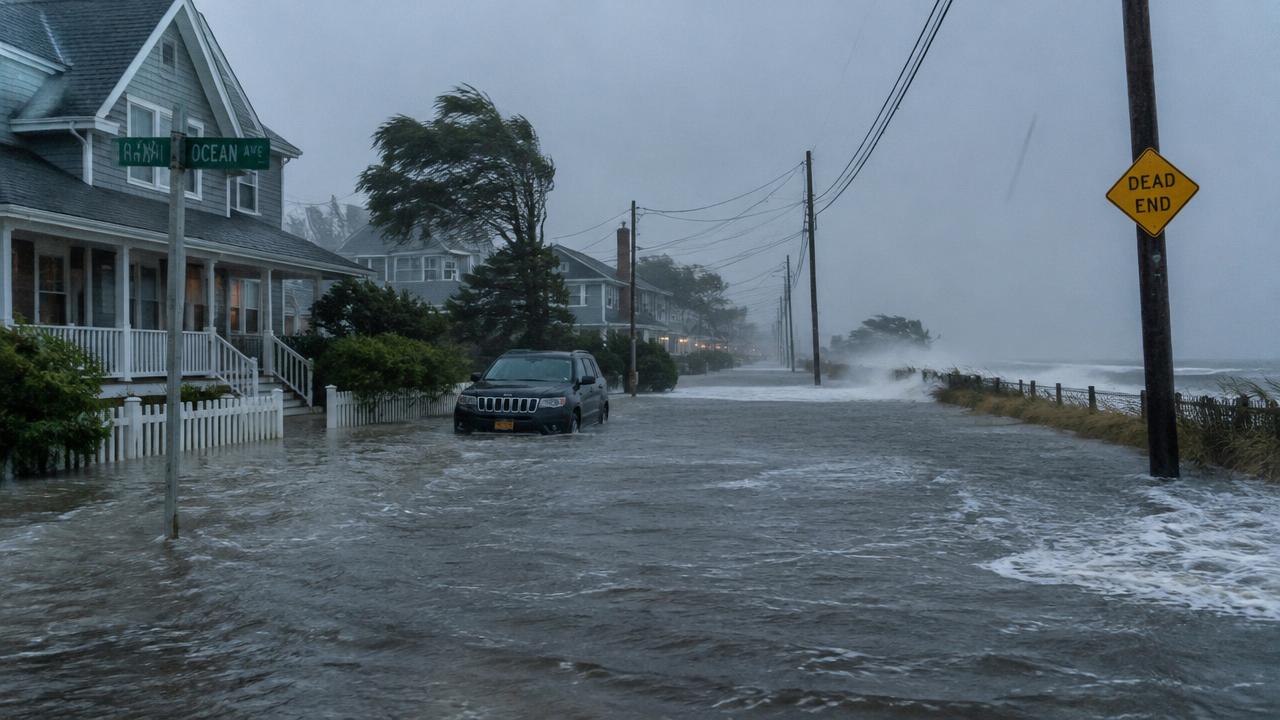
A major storm leaves behind more than just visible damage. It leaves a window of time — a narrow one — during which the right actions protect your home, your insurance claim, and your family's safety. The wrong actions, or no action at all, can turn a manageable repair into a months-long ordeal.
At Alfa Restorations, we've responded to homes after hurricanes, tornadoes, hailstorms, and severe wind events. The homeowners who recover fastest understand a few key things that most don't.
The First Inspection That Most People Skip
After a storm, most homeowners look up at the roof, look around the yard, and assume that if nothing dramatic is visible, the home is fine. This is the single most common — and expensive — mistake.
Storm damage is often hidden. Wind lifts shingles just enough to break their seal without removing them, leaving the roof vulnerable to leaks during the next rain. Hail creates microscopic fractures in shingles that won't show their effects for months. Trees absorb wind stress and can fail weeks later when they look perfectly healthy. Water that entered through a vent, soffit, or roof seam can be soaking insulation in your attic right now, with no visible sign downstairs.
A professional inspection within 48 hours of a major storm catches all of this while it's still small. Waiting until you notice a stain on your ceiling means waiting until water has already been inside your home for weeks.
The Damage Categories That Confuse Insurance Claims
Storm-related claims get denied or underpaid more often than any other category of homeowners insurance claim, and the reason is almost always the same: the cause of damage was unclear.
Wind damage is generally covered under standard homeowners insurance. Hail damage is covered, though some policies in storm-prone areas now exclude it or apply higher deductibles. Damage from a tree falling on your home is covered. Damage from rainwater that entered through a wind-created opening is covered. But damage from rising floodwater is not covered without separate flood insurance, even if the flood was caused by the same storm.
This is where claims get complicated. If a hurricane causes both wind damage to your roof and storm surge flooding on your first floor, you have two claims under two policies — and the adjusters for each will work hard to attribute as much of the damage as possible to the other one's category.
Documentation from the first 48 hours decides these disputes. A restoration company that documents the source, sequence, and spread of damage in adjuster-grade format gives you the evidence to win these arguments.
What to Do Immediately After a Storm
Once it's safe to inspect, walk your property carefully. Look for missing or damaged shingles, dented gutters or siding (a sign of hail), broken windows, fallen branches or trees, debris pressed against the house, and standing water near the foundation.
Photograph everything before you move it. This matters for insurance more than most homeowners realize.
If there's any opening in your roof, walls, or windows, get it temporarily covered before the next rain. Tarps over roof damage and plywood over broken windows are standard mitigation steps your insurance policy actually requires you to take. Failing to mitigate further damage is grounds for partial claim denial.
Then call a restoration company for a full inspection. We arrive with the equipment to find hidden damage and the experience to document it correctly.
Why Hours Matter More Than Days
Wet insulation loses its R-value almost immediately. Wet drywall begins to lose structural integrity within 24 hours. Wet wood framing begins growing mold within 48 hours. Hardwood floors begin warping within 12 hours of significant exposure.
Every hour that water sits in your home, the repair scope grows and your costs increase. Storm damage restoration isn't urgent because we say it is. It's urgent because the physics of wet materials doesn't wait for your schedule.
The Storm Chaser Problem
After every major storm, out-of-state contractors flood the affected area looking for desperate homeowners. They knock on doors, offer fast quotes, demand cash deposits, and disappear before the work is verified. Some do shoddy temporary work that looks good until the next rain. Some take the deposit and never return.
Choose a local, licensed, IICRC-certified company that was operating in your area before the storm and will be there long after. Verify everything before signing anything.
[CALL ALFA RESTORATION FOR STORM DAMAGE INSPECTION]
---
Don't wait to find out how much worse it can get. Call Alfa Restorations at (516) 306-7749 — 24/7 emergency response across Long Island.