Hurricane Preparation for Long Island Homeowners — Water Damage & Insurance Checklist
Every Long Island homeowner remembers Sandy. Every Long Island homeowner has watched a tropical system curve up the Atlantic and held their breath.
Hurricane season runs June 1 through November 30. For Long Island, the peak risk window is August through October — but coastal storms, nor'easters, and tropical remnants can hit any time. Whether you're in Long Beach, Massapequa, Bay Shore, Patchogue, or Montauk, this guide covers exactly what to do before, during, and after a hurricane to protect your home, document for insurance, and recover quickly.
Long Island's Hurricane Risk Reality
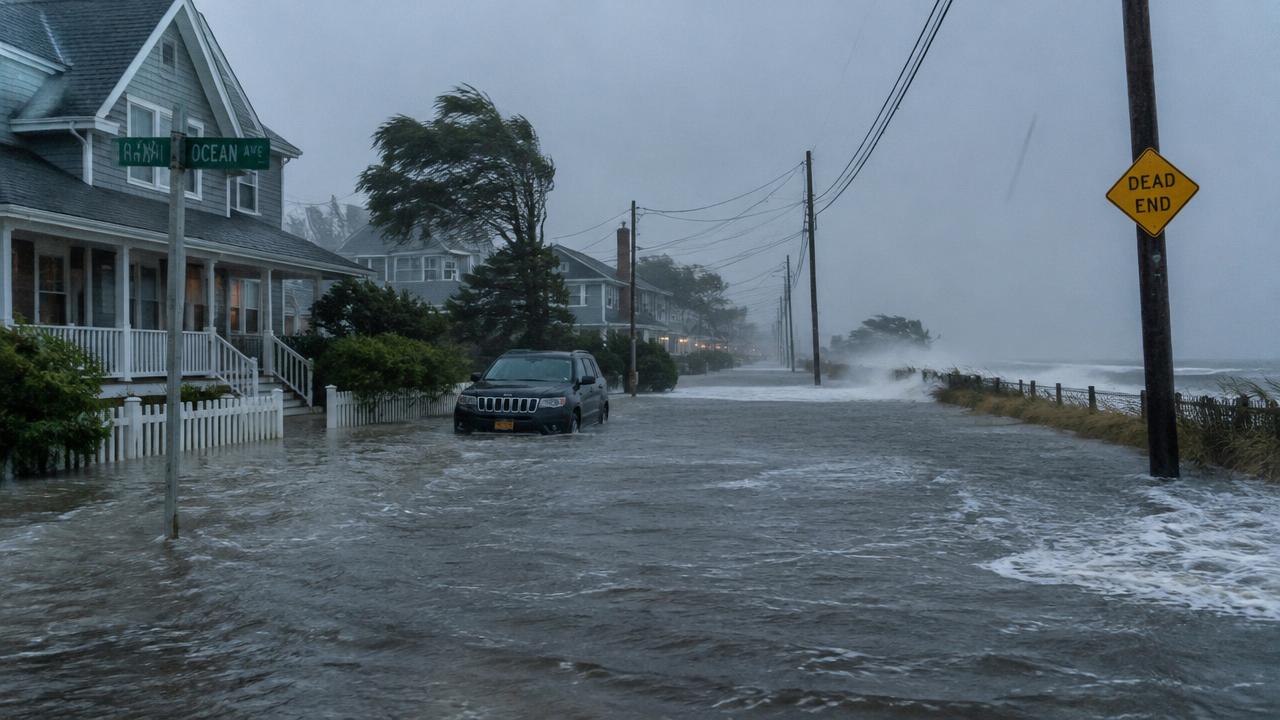
Long Island's geography makes it uniquely vulnerable. South Shore — directly exposed to Atlantic storm surge. Long Beach, Lindenhurst, Babylon, Bay Shore, and the Hamptons saw catastrophic flooding during Sandy. Great South Bay communities — surge from the south plus rain runoff from the north creates compound flooding. North Shore — sheltered from direct surge but exposed to wind damage and falling trees. Suffolk County East End — the Hamptons and North Fork take direct hits from southerly tracks. Even a Category 1 hurricane or strong tropical storm can produce 5–8 feet of storm surge on Long Island's South Shore.
30 Days Before Hurricane Season (Pre-Season Prep)
Review your insurance coverage. Verify your homeowners policy is active and current. Check your dwelling coverage matches your home's replacement cost. Confirm your hurricane/named storm deductible (often 2–5% — that's $12,000–$30,000 on a $600,000 home). Verify or purchase flood insurance — separate FEMA NFIP policy or private flood. There's a 30-day waiting period before flood policies take effect. Buy now, not when a storm is forming. Confirm Loss of Use coverage (typically 20% of dwelling) for hotel and ALE if you're displaced. Document the contents of your home with photos and video, room by room.
Trim trees and clear drains. Trim branches near your roof and power lines. Clear gutters and downspouts. Make sure storm drains around your property are clear. Inspect your roof. Replace missing or damaged shingles. Check flashing around vents and chimneys. Address any known leaks before the storm. Service your sump pump and generator. Test your sump pump. Install a battery backup if you don't have one. Service your generator and stock fuel.
72 Hours Before a Storm
When the National Hurricane Center has Long Island in the forecast cone: secure outdoor items (patio furniture, grills, planters, garbage cans, lawn equipment — anything that could become a projectile). Photograph your home with time-stamped photos of every room, exterior, and high-value items. Check your insurance documents — have policy numbers, agent contact info, and claim phone numbers ready. Stock emergency supplies: 1 gallon of water per person per day for 3 days, non-perishable food for 3+ days, flashlights and batteries, battery-powered radio, first aid kit, medications, cash, phone chargers and power banks, important documents in waterproof container. Fuel vehicles and generators — gas stations run out fast.
24 Hours Before a Storm
Install storm shutters or plywood (5/8" plywood cut to size and pre-fitted in pre-season prep). Move valuables to higher floors if you're in a flood-prone area — electronics, family photos, important documents. Charge everything — phones, laptops, power banks, battery-operated devices. Fill bathtubs and containers with water for sanitation. Know your evacuation zone. Suffolk and Nassau Counties publish evacuation zones online. If you're ordered to evacuate, do it. Storm surge kills more people than wind. Turn down refrigerators and freezers to coldest setting.
During the Storm
Stay inside, away from windows. Stay off the ground floor if surge threatens. Don't use candles — house fires after hurricanes are common. Do not go outside during the eye; the back side of the storm is often worse. Don't use generators indoors. Carbon monoxide kills. Generators must be outside, at least 20 feet from windows.
Immediately After the Storm
Document everything before cleaning — photos, video, written timeline. Capture damage from multiple angles. Check for hazards before entering — gas smell (leave immediately, call utility), standing water near electrical (do not enter), structural damage (wait for inspection), live downed wires (stay 35+ feet away). Call your insurance carrier within 24–48 hours and get your claim number. Call a restoration company for water damage, structural damage, or storm-related water intrusion. The first 24–48 hours determine whether you face mold remediation on top of storm damage. Alfa Restorations responds across Long Island in 30 minutes. Mitigate to prevent further damage — tarp roof damage, board up broken windows, pump out standing water, save all receipts for reimbursable mitigation expenses. Don't throw away damaged items yet — set them aside for adjuster review.
The Hurricane Insurance Claim Process
Standard NY homeowners insurance covers wind damage (roof, siding, broken windows from wind/debris), water damage from wind-created openings (rain through broken roof or windows), power surge damage to electronics, and tree damage to your home. NY homeowners insurance does NOT cover storm surge / flood water from outside (requires separate flood insurance), sewer backup (requires sewer backup endorsement), or mold from chronic dampness (only mold from covered events). Hurricane deductibles apply. When the National Hurricane Center declares a storm a hurricane affecting your area, your hurricane deductible kicks in — separate from your standard deductible.
Frequently Asked Questions
Does Long Island homeowners insurance cover hurricane damage? Wind damage and resulting interior water damage: yes. Storm surge and external flood water: no — requires separate FEMA flood insurance.
How much does flood insurance cost on Long Island? Varies by flood zone. Low-risk areas: $400–$800/year. High-risk SFHA zones: $1,500–$5,000+/year.
What's the hurricane deductible on Long Island? Most policies: 2–5% of dwelling coverage. On a $600,000 home, that's $12,000–$30,000.
Should I evacuate during a Long Island hurricane? If your evacuation zone is called: yes. Storm surge is the #1 killer. Wind alone is survivable; surge is not.
How fast should I call a restoration company after a storm? Within 24 hours if you have water damage. Mold begins growing at 24–48 hours, and storm response slots fill fast.
Hurricane damage on Long Island? Alfa Restorations responds 24/7. Call (516) 306-7749.