September Storm Season on Long Island: How to Prevent Water Damage Before It Starts
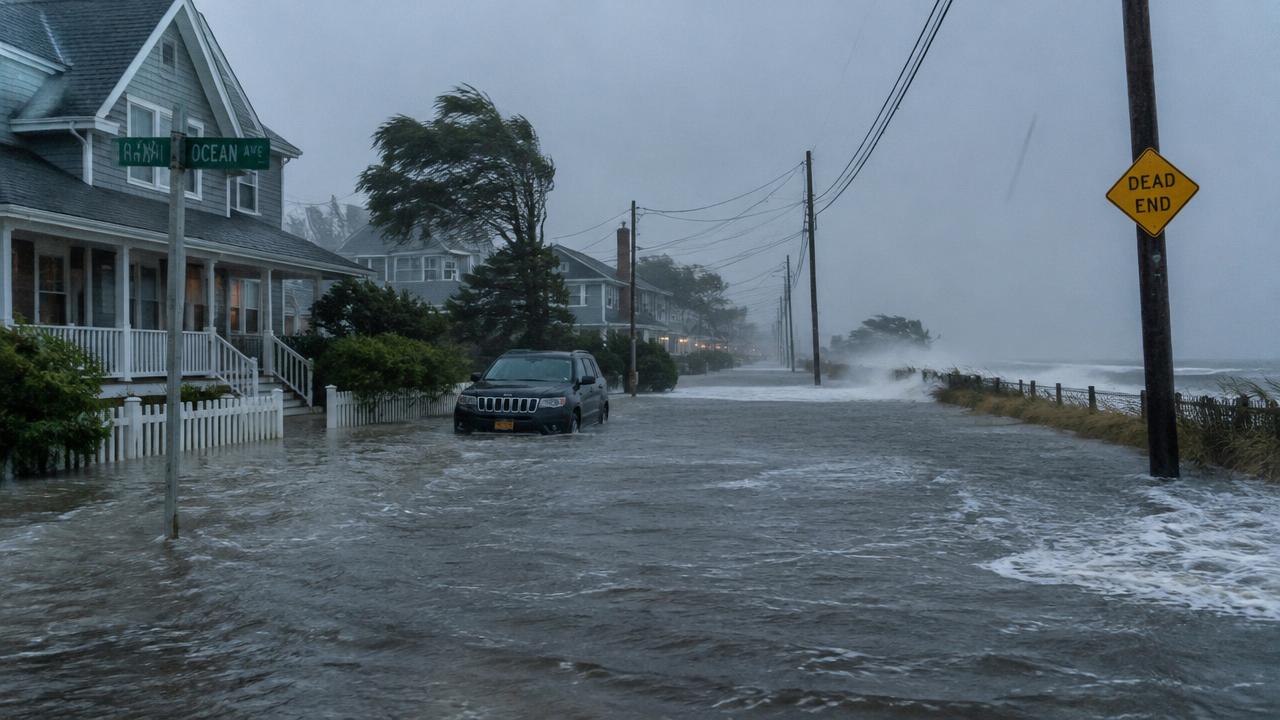
September is the busiest month of the year for storm-related water damage on Long Island. Atlantic hurricane season peaks in the second week of the month, ocean temperatures are at their warmest, and the tropical systems that ride up the coast dump several inches of rain in a matter of hours.
Most of the emergency calls we take in September are not from dramatic roof failures. They are from basements that took on water because a gutter was clogged, a sump pump had no backup, or a grading problem had gone unnoticed since spring.
Here is what to check now, and what to do if water still finds its way in.
Why September Hits Long Island Hard
Long Island sits directly in the path of tropical moisture moving north along the coast. Add a high water table across much of Nassau and Suffolk County, decades-old housing stock with block foundations, and stormwater systems that back up under heavy rain, and a single storm can put several inches of water into a finished basement.
Late-summer storms also arrive after months of dry, cracked soil. Hard ground sheds water instead of absorbing it, sending runoff straight toward foundations.
The September Water Damage Checklist
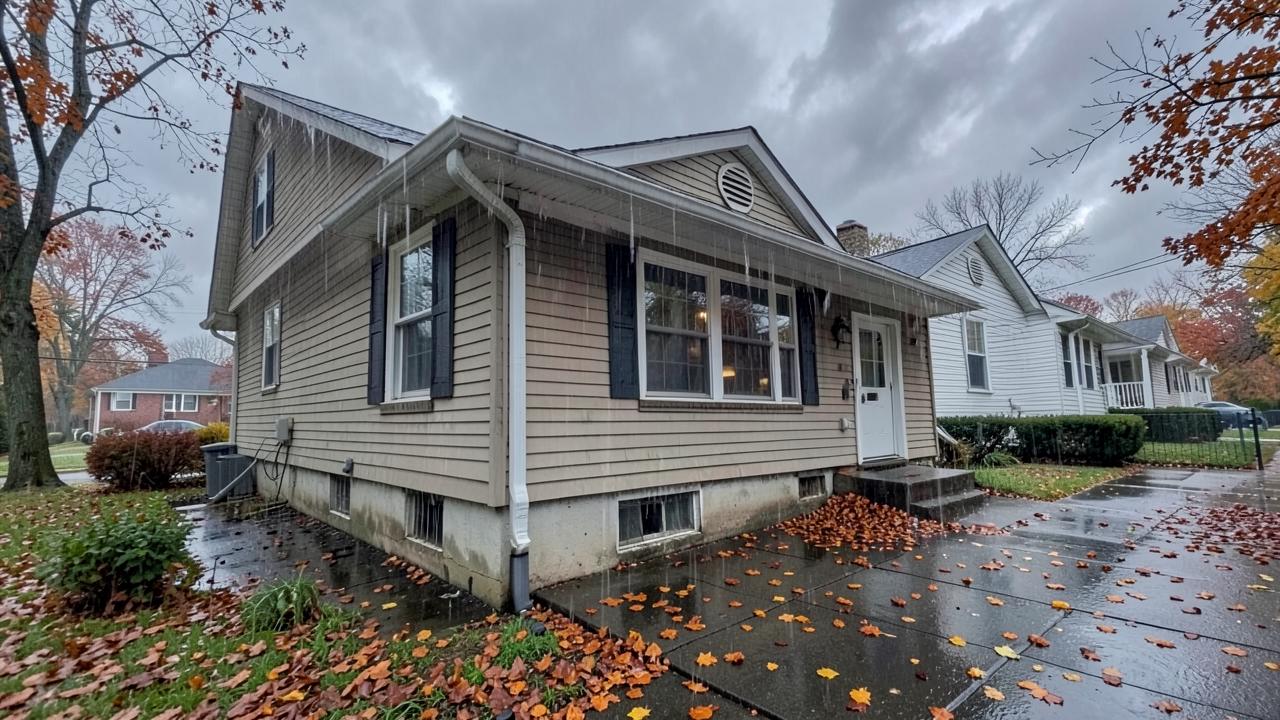
Clear your gutters and downspouts. Late-summer debris is the single most common cause of overflow. Water that spills over the edge lands directly against the foundation. Downspouts should discharge at least four feet from the house.
Test your sump pump. Pour a bucket of water into the pit and confirm the pump kicks on and discharges. If your pump is more than seven years old, or you have no battery backup, replace it before the next storm. Power outages and heavy rain arrive together.
Check the grading around the foundation. Soil should slope away from the house. Flat or reverse-graded beds hold water against the wall until it finds a crack.
Inspect the roof and flashing. Missing shingles, loose flashing around chimneys, and failing skylight seals are the entry points that show up as ceiling stains a week later.
Move valuables off the basement floor. Store documents, electronics and keepsakes on shelving at least a foot off the slab.
Photograph the property. Date-stamped photos of a dry, intact basement and roof make a future insurance claim far easier to settle.
Know where your water shutoff is. Storm damage and plumbing failures often happen at the same time.
What Storm Water Does If You Wait
Water damage is a clock, not an event. Drywall wicks moisture upward within hours. Insulation holds it for weeks. Mold begins to grow within 24 to 48 hours, and Long Island's September humidity accelerates that timeline.
Waiting for a basement to "dry out on its own" almost always turns a water extraction job into a mold remediation job.
What to Do the Moment Water Enters
1. Shut off power to the affected area if it is safe to do so. 2. Stop the source if it is something you control, such as a shutoff valve. 3. Photograph and video everything before you move anything. 4. Call a certified restoration company for extraction and structural drying. 5. Notify your insurance carrier and keep receipts for anything you buy.
Standing water needs professional extraction and monitored drying. Shop vacuums and box fans move surface water but leave the moisture inside the wall cavity, which is exactly where mold takes hold.
We Respond 24/7 Across Nassau and Suffolk
Alfa Restorations is IICRC-certified and available around the clock for storm damage, water extraction, structural drying and mold remediation across all of Long Island. During major storms, response times matter more than anything else — the sooner extraction starts, the less of your home has to be rebuilt.
If a September storm puts water in your home, call us at (516) 306-7749 or [contact us](/contact) for immediate help.