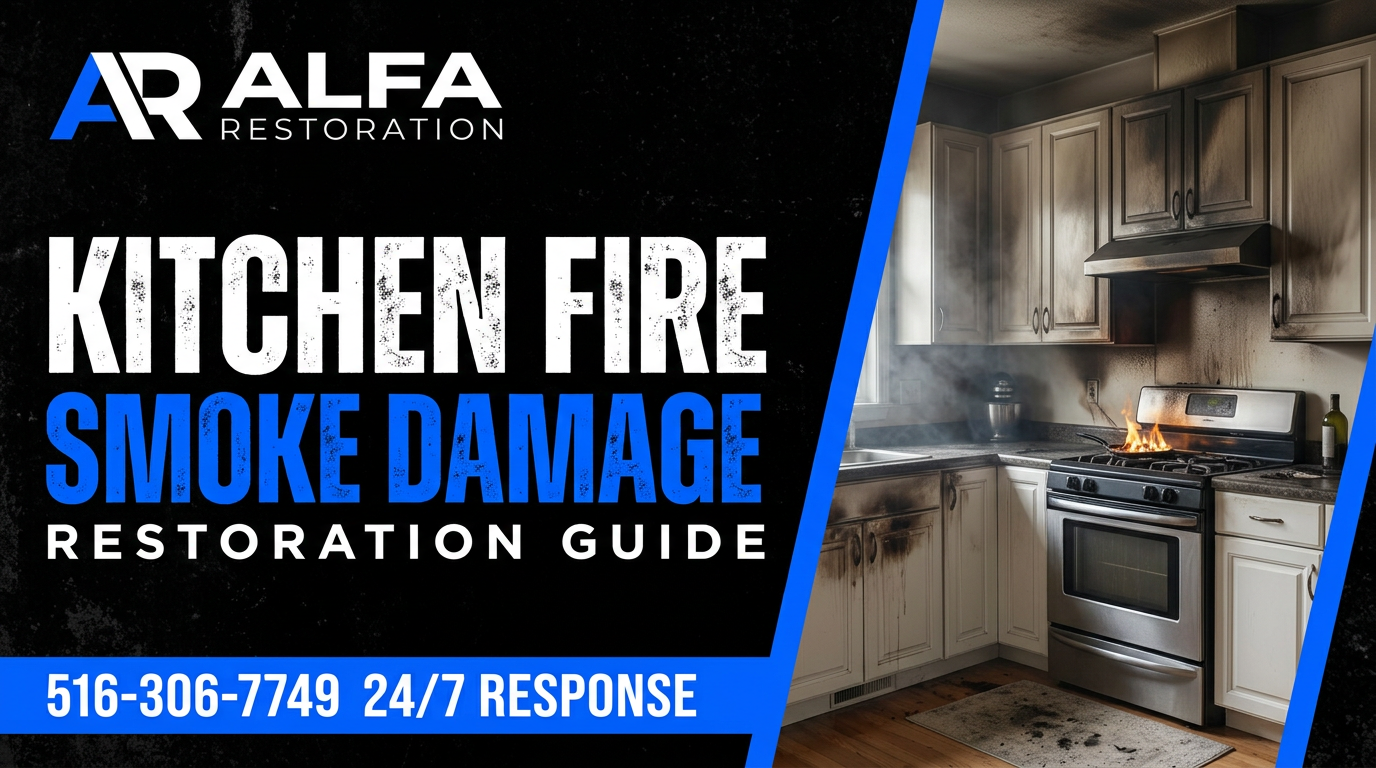
Smoke Damage: What Every Homeowner Needs to Know
When most people think about fire damage, they picture charred walls and melted belongings. But smoke damage — often invisible — can be even more pervasive and harmful. Understanding smoke damage is essential for protecting your health and your property.
Smoke Travels Everywhere
Smoke doesn't stay in the room where the fire occurred. It travels through HVAC systems, seeps through walls, and settles on every surface in your home. Even areas far from the fire can be coated in a thin, toxic layer of soot and smoke residue.
Types of Smoke Residue
Different materials produce different types of smoke, each requiring specific cleaning methods:
- Dry smoke (from fast-burning, high-temperature fires): Powdery, easier to clean
- Wet smoke (from slow-burning, low-temperature fires): Sticky, smelly, harder to remove
- Protein smoke (from kitchen fires): Nearly invisible but produces strong odors
- Fuel/oil smoke (from petroleum products): Dense, black, and very difficult to clean
Health Risks of Smoke Damage
Smoke residue contains harmful chemicals including carbon monoxide, formaldehyde, and various carcinogens. Exposure can cause:
- Respiratory problems and aggravated asthma
- Eye, nose, and throat irritation
- Headaches and dizziness
- Long-term health complications with prolonged exposure
Why DIY Cleanup Isn't Enough
Store-bought cleaners and household methods cannot adequately address smoke damage. Improper cleaning can actually make things worse — smearing soot deeper into surfaces or spreading contamination. Professional equipment like ozone generators, thermal foggers, and HEPA air scrubbers are necessary for thorough decontamination.
Smoke Odor Elimination
Smoke odor is one of the most persistent and difficult issues to resolve. The smell permeates fabrics, carpets, drywall, insulation, and even wood framing. Professional odor removal uses specialized techniques to neutralize — not mask — smoke particles at the molecular level.
Act Quickly
The longer smoke residue sits on surfaces, the more difficult (and expensive) it becomes to clean. Acidic soot can permanently etch glass, corrode metals, and stain fabrics within days. Contact Alfa Restorations at (516) 306-7749 for emergency smoke damage restoration on Long Island.