Frozen Pipes: How to Prevent Them, How to Thaw Them, and What to Do When They Burst
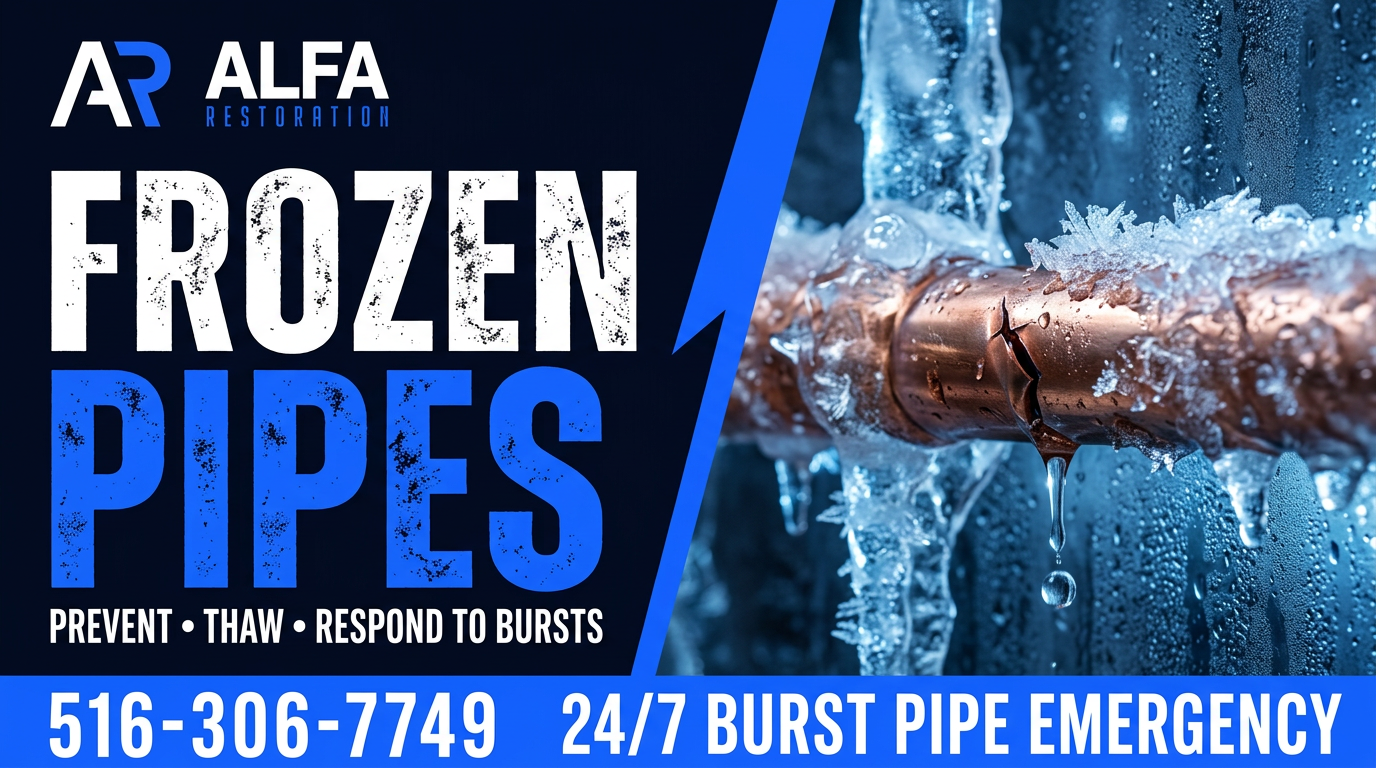
Every winter, the same thing happens. Temperatures drop overnight, homeowners wake up to a faucet that won't run, and within a few hours we're getting calls from people standing in flooded kitchens. A burst pipe from freezing can dump hundreds of gallons of water into your home in a matter of minutes. The good news is that frozen pipes are almost always preventable, and even when prevention fails, fast action can keep a frozen pipe from becoming a flood.
Here's everything you need to know, written for the homeowner who hopes to never need it.
Why Pipes Burst When They Freeze
Most people assume a frozen pipe bursts because the ice inside expands. It does expand — water increases in volume by about 9% when it freezes — but that's not actually what causes the rupture.
What actually happens is more interesting. As ice forms inside a pipe, it builds outward from the walls and creates a blockage. Behind that blockage, water pressure builds with nowhere to go. The pipe doesn't burst at the frozen section — it bursts in the section between the blockage and a closed faucet, where pressure has nowhere to escape. That's why a pipe can rupture in a warm part of your house even when the freezing happened in the wall behind it.
This matters because it changes how you respond when you suspect a pipe is frozen.
Preventing Frozen Pipes Before the Cold Snap
The most vulnerable pipes are the ones in unheated spaces — basements, crawl spaces, attics, garages — and pipes that run along exterior walls. These are the first ones to freeze when temperatures drop, and they're the ones to focus your prevention efforts on.
Insulate exposed pipes with foam pipe insulation, available cheaply at any hardware store. Pay particular attention to pipes in unheated areas and any pipe that runs through an exterior wall. Heat tape is another option for the most exposed sections, but read the instructions carefully — improperly installed heat tape is a fire hazard.
Seal air leaks near pipes. Cold drafts coming in around dryer vents, electrical wiring, or foundation gaps can freeze a pipe even in an otherwise warm space. A few dollars of caulk or spray foam can prevent thousands in damage.
Disconnect and drain outdoor hoses before the first freeze. A connected hose holds water inside the spigot and can freeze back into the wall pipe.
Know where your main shutoff valve is, and make sure it works. If a pipe bursts, you have minutes — not hours — to stop the water before damage becomes severe.
What to Do During a Cold Snap
When temperatures drop below 20 degrees, especially overnight, take active prevention steps. Open cabinet doors under sinks on exterior walls so warm air can reach the pipes. Let faucets drip slightly — moving water freezes much more slowly than standing water, and even a thin trickle relieves pressure if a freeze does start. Keep your thermostat at 55 degrees or higher even if you're away from home. Open interior doors so heat circulates throughout the house.
If you're traveling during winter, never set the heat below 55, and consider asking a neighbor to check the house daily. The most catastrophic frozen pipe damage we see almost always happens when no one is home.
How to Tell If a Pipe Is Frozen
The first sign is usually a faucet that won't produce water, or produces only a trickle, when others in the house work fine. You may also see frost on the visible portion of a pipe, or hear unusual sounds in the pipes when you turn on a faucet.
If you suspect a freeze, act immediately. The longer the ice sits, the higher the chance of a burst.
How to Safely Thaw a Frozen Pipe
Locate the frozen section. It's usually the coldest accessible part of the pipe — along an exterior wall, in a basement, or in a crawl space. If you can see frost, that's your spot.
Open the faucet that the pipe feeds before you start thawing. As the ice melts, you want the water to have somewhere to go. This is the single most important step.
Apply gentle heat to the frozen section. A hair dryer is ideal. You can also use towels soaked in hot water, a space heater set at a safe distance, or an electric heating pad wrapped around the pipe. Start at the faucet end and work backward toward the blockage — this lets melting water flow out as you progress.
Never use an open flame, propane torch, kerosene heater, or any device with a direct flame. These cause fires every winter, and they damage pipes in ways that lead to bursts later.
If the pipe is inside a wall and you can't access it, turn off the main water supply, open the faucet, and call a plumber or restoration company immediately.
What to Do When a Pipe Bursts
Shut off the main water supply immediately. This is the most important action you can take, and every second matters. A typical half-inch supply line can release several gallons per minute at full pressure.
Open faucets to drain the remaining water from the system. This relieves pressure and reduces how much additional water escapes through the rupture.
Turn off the electricity to affected areas at the breaker panel if water has reached outlets, fixtures, or appliances.
Document the damage with photos and video before you move anything. Insurance claims often hinge on this initial documentation.
Then call Alfa Restorations. Time matters enormously with frozen pipe bursts because the water has often been spreading for hours before you noticed. The faster we can extract water and begin drying, the more of your home we can save.
When Insurance Covers Frozen Pipe Damage
Standard homeowners insurance generally covers sudden and accidental damage from frozen pipes — but with one important exception. If your home was unoccupied or unheated, coverage may be denied. This is why setting the thermostat above 55 when you're away matters not just for prevention but for your insurance claim.
We work directly with insurance carriers on frozen pipe claims and can help you document the loss correctly from the first hour. Call Alfa Restorations 24/7 at (516) 306-7749 for emergency burst pipe response.