How Much Does Water Damage Restoration Cost? An Honest, Detailed Breakdown
Most restoration companies refuse to talk about pricing online. We get why — every job is genuinely different, and a number quoted on a website can come back to bite you when reality is more complicated. But homeowners deserve real information when they're trying to make a decision in the middle of a crisis. So here's the most honest breakdown we can give you.
The numbers below are based on industry averages and our own experience handling thousands of jobs. Your specific situation may land lower or higher, but you'll leave this article with a much better understanding of what you're actually paying for.
The Short Answer
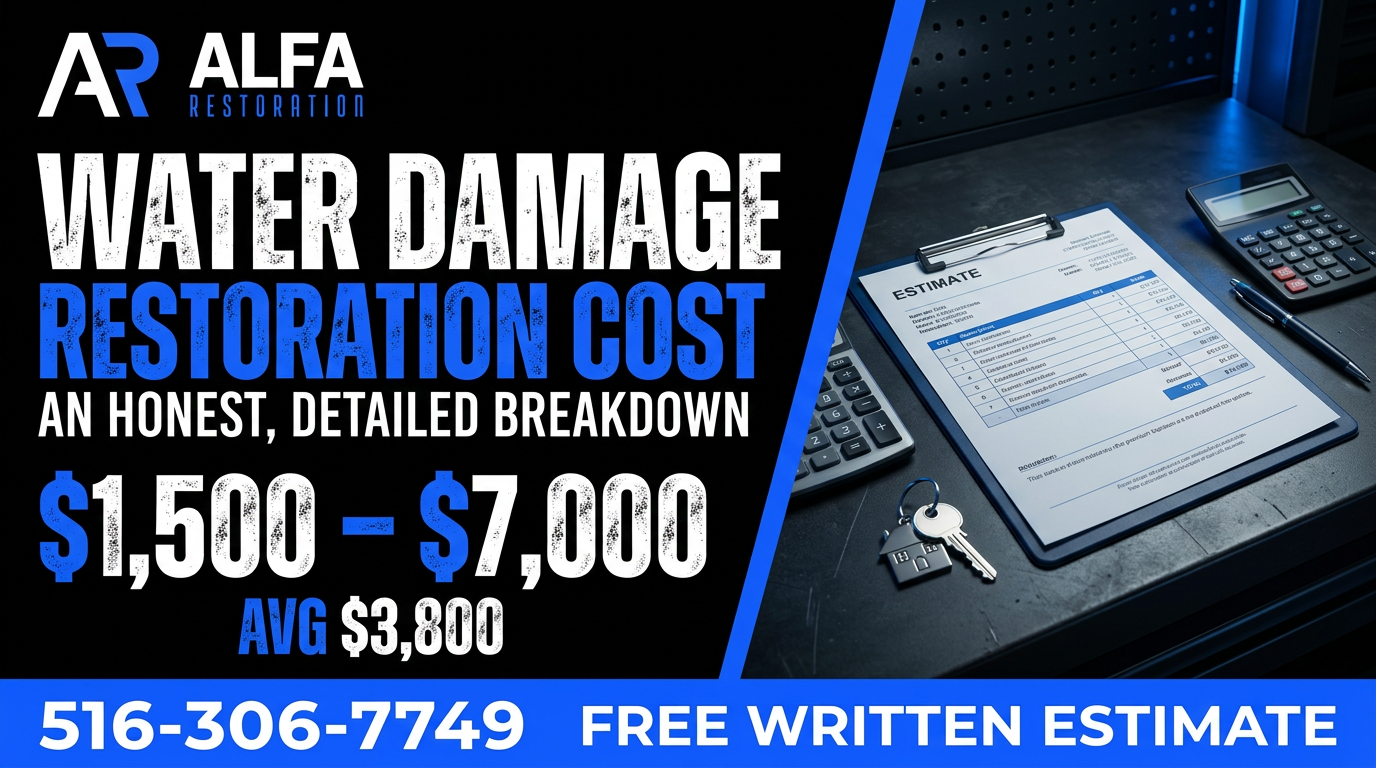
Most water damage restoration projects fall between $1,500 and $7,000. The average homeowner pays around $3,800. Severe flooding, contaminated water, or mold remediation can push costs to $10,000 to $30,000 or beyond. Smaller incidents, caught early, can sometimes be resolved for under $1,000.
If those ranges feel wide, it's because the variables are real — and understanding them is how you avoid getting overcharged.
The Five Variables That Actually Determine Your Cost
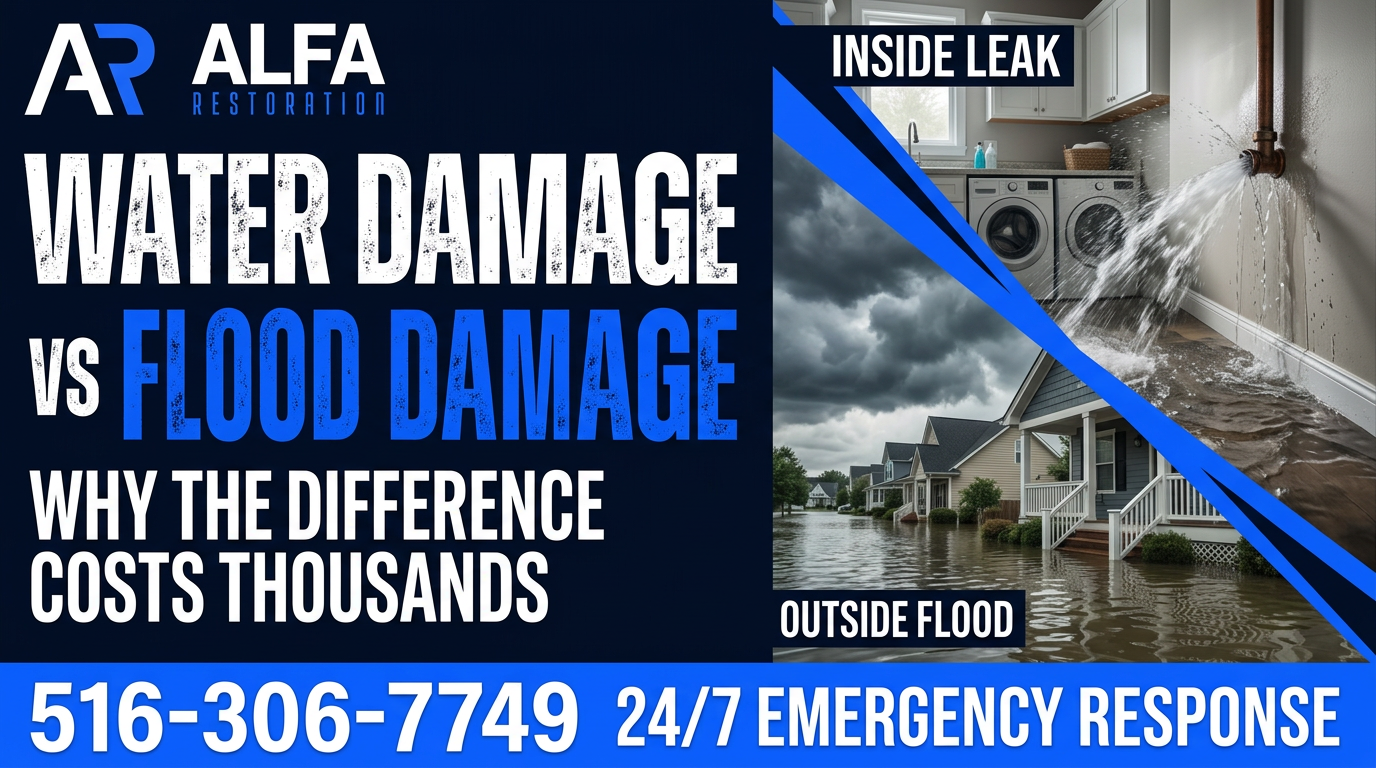
The first variable is the category of water. The restoration industry classifies water into three categories. Category 1 is clean water from a supply line or sink. Category 2 is gray water from appliances or some leaks, which contains contaminants. Category 3 is black water from sewage, flooding, or standing water that has been sitting — and it requires full sanitization, additional protective equipment, and disposal of porous materials it has touched. Black water jobs typically cost two to three times more than clean water jobs of the same size.
The second variable is the affected square footage. A small bathroom flood affecting 100 square feet is dramatically different from a basement flood covering 1,500. Industry pricing for water mitigation typically runs $4 to $8 per square foot for the drying portion of the work.
The third variable is the materials affected. Drying out hardwood floors, hardwood subfloors, and finished basements is more labor-intensive than drying tile and concrete. Insulation that's gotten wet usually has to be removed and replaced. Cabinets, drywall, and trim that have absorbed water often require partial demolition and rebuild. Each material adds time, equipment, and cost.
The fourth variable is how long the water has been present. A leak caught in the first 24 hours can often be dried in place. A leak that's been sitting for a week may require demolition of materials that could have been saved. The longer water sits, the more the cost multiplies.
The fifth variable is whether mold has begun growing. If we arrive and find active mold, the project shifts from water mitigation to mold remediation, which involves containment, air filtration, removal of affected materials, and post-remediation testing. Mold remediation typically adds $2,000 to $6,000 to a project, sometimes more.
A Realistic Cost Breakdown by Scenario
- Small clean-water leak under a kitchen sink, caught quickly, with limited damage to a cabinet base and a section of subfloor: typically $500 to $1,500.
- Bathroom overflow that soaked the bathroom floor and seeped into an adjacent bedroom, caught within 24 hours, clean water: typically $1,500 to $3,500.
- Burst pipe in a finished basement with clean water, requiring extraction, drying, and partial drywall replacement: typically $3,500 to $8,000.
- Sewage backup in a basement requiring full sanitization, materials removal, and rebuild: typically $7,000 to $15,000.
- Major flood event affecting multiple rooms with category 3 water, plus mold remediation: typically $15,000 to $30,000 and up.
What's Actually in the Bill
A legitimate restoration estimate breaks down into clear line items. Emergency response and water extraction. Equipment rental for drying — typically commercial dehumidifiers and air movers running for three to five days. Labor for setup, daily monitoring, and teardown. Antimicrobial treatment if applicable. Demolition of unsalvageable materials. Disposal fees. Reconstruction, if your restoration company handles that, or a separate contractor estimate.
You should never see a single lump sum with no detail. If a company hands you a one-line quote, ask for the breakdown.
What Insurance Typically Covers
Most homeowners insurance policies cover sudden and accidental water damage from internal sources — burst pipes, appliance failures, roof leaks from storms. They typically do not cover gradual leaks, lack of maintenance, or flood damage from external sources.
When insurance is involved, your out-of-pocket cost is usually just your deductible, which typically runs $500 to $2,500. The restoration company bills the rest directly to your insurance company. We work with all major insurance carriers and handle the documentation directly so you're not stuck managing the paperwork during an already stressful time.
How to Avoid Overpaying
Get a written estimate before any work begins, and make sure it's itemized. Verify the company is IICRC certified and properly licensed and insured. Ask whether daily moisture monitoring is included — this is standard practice, and skipping it leads to incomplete drying and mold problems later. Be cautious of companies that demand large upfront deposits or that pressure you to sign before inspecting.
At Alfa Restorations, we provide written estimates after every inspection, work directly with your insurance company on covered claims, and don't start work before you've had a chance to understand exactly what you're paying for. Call (516) 306-7749 for a free, itemized estimate.